Simple Past Tense Made Easy: Learn Regular and Irregular Verbs
Simple Past Tense in English:
A Complete Guide to Regular and Irregular Verbs with Clear Examples
Introduction
The simple past tense is one of the most important grammar topics in English. It is used to talk about completed actions in the past, making it essential for daily conversations, storytelling, writing, and exams. If you want to speak English fluently, you must master the simple past tense, including both regular and irregular verbs.
In this complete guide, you will learn:
-
What the simple past tense is
-
How to form it correctly
-
The difference between regular and irregular verbs
-
Common mistakes learners make
-
Practical examples and real-life usage
This lesson is perfect for beginners and intermediate learners, and it is optimized with the right SEO keywords to help English learners find it easily on Google.
What Is the Simple Past Tense?
The simple past tense is used to describe an action that:
-
Happened in the past
-
Finished in the past
-
Has no connection to the present
Common time expressions with the simple past:
-
yesterday
-
last night / last week / last year
-
ago (two days ago)
-
in 2020 / in the past
Example:
-
I watched a movie yesterday.
-
She visited her grandparents last weekend.
How to Form the Simple Past Tense
There are two types of verbs in the simple past tense:
-
Regular verbs
-
Irregular verbs
1️⃣ Simple Past Tense – Regular Verbs
Formation:
For regular verbs, we form the simple past by adding -ed to the base verb.
Structure:
Subject + verb (past form) + object
Examples:
-
I worked late yesterday.
-
They played football after school.
-
We studied English last night.
Spelling rules for regular verbs:
-
work → worked
-
like → liked
-
stop → stopped
-
study → studied
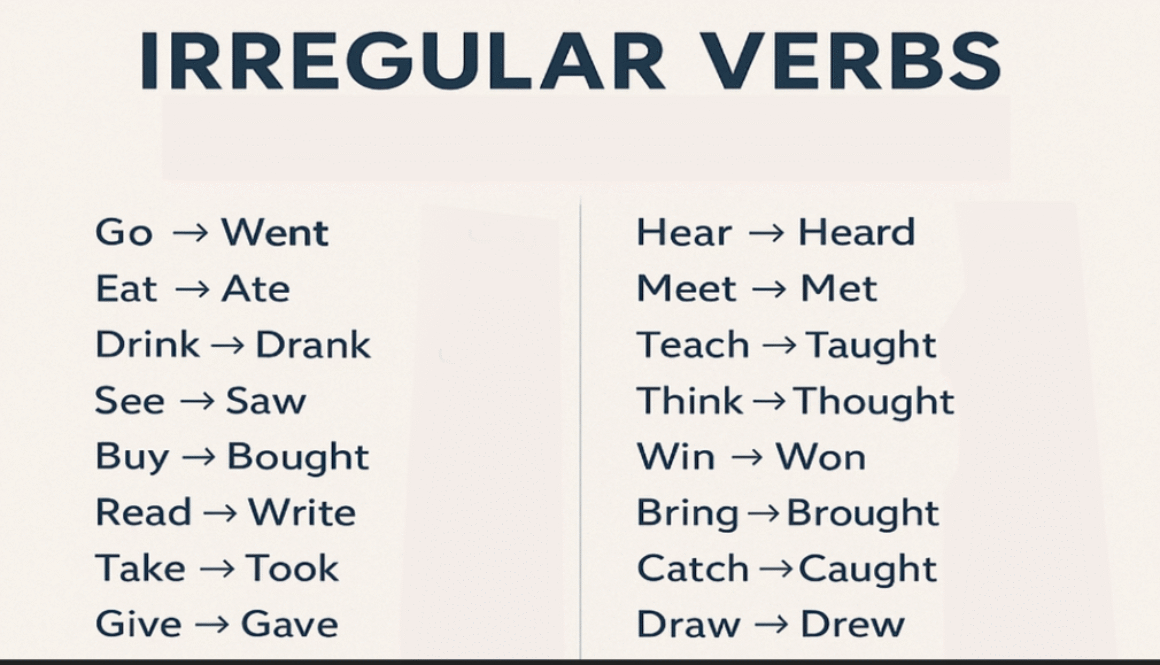
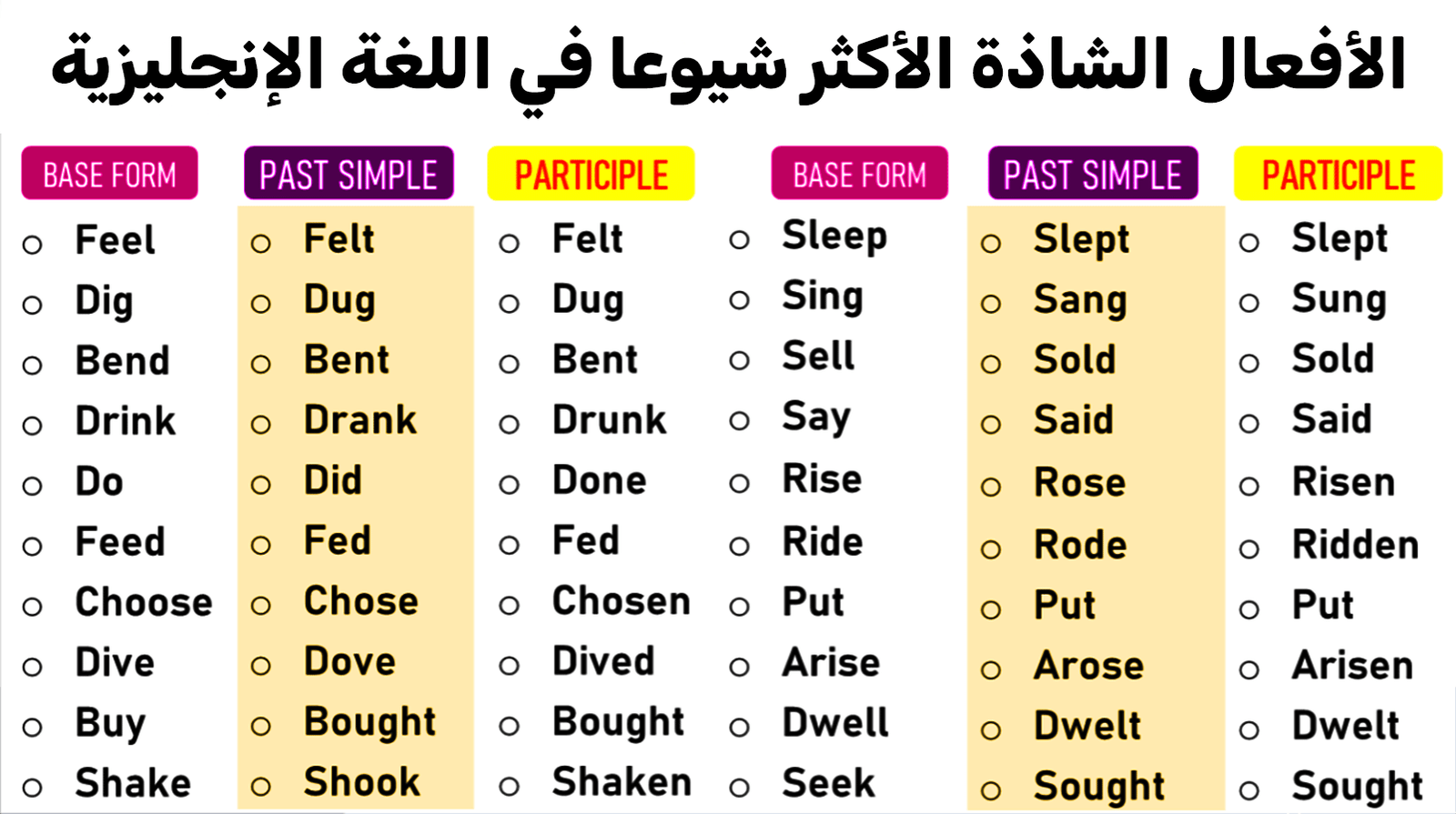
2️⃣ Simple Past Tense – Irregular Verbs
Irregular verbs do not follow a fixed rule. Their past forms must be memorized.
Examples of common irregular verbs:
-
go → went
-
eat → ate
-
see → saw
-
buy → bought
-
take → took
Example sentences:
-
I went to work early.
-
She ate breakfast at home.
-
They saw a beautiful place.
👉 Tip: Learning irregular verbs in lists with examples is the fastest way to remember them.
Negative Sentences in the Simple Past
To make negative sentences, we use:
did not (didn’t) + base verb
Structure:
Subject + did not + base verb
Examples:
-
I didn’t watch TV yesterday.
-
He didn’t go to school.
-
We didn’t understand the lesson.
⚠️ Important:
After did, the verb goes back to its base form.
Questions in the Simple Past
Yes / No Questions:
Did + subject + base verb?
Examples:
-
Did you finish your homework?
-
Did she call you yesterday?
Wh- Questions:
Wh-word + did + subject + base verb?
Examples:
-
Where did you go last night?
-
When did they arrive?
Common Mistakes with the Simple Past Tense
❌ I did went to school
✅ I did go to school
❌ She didn’t went home
✅ She didn’t go home
❌ He eat dinner yesterday
✅ He ate dinner yesterday
Avoiding these mistakes will instantly improve your grammar accuracy.
Why the Simple Past Tense Is So Important
Learning the simple past tense helps you:
-
Tell stories clearly
-
Talk about experiences
-
Write essays and emails correctly
-
Pass English exams
-
Speak confidently without hesitation
Mastering regular and irregular verbs in the past tense is a key step toward English fluency.
Final Tips to Master the Simple Past Tense Faster
-
Practice daily with real sentences
-
Read short stories in the past tense
-
Memorize irregular verbs in groups
-
Speak and write about your past experiences
-
Do exercises with answers
Consistency is the secret 🔑