
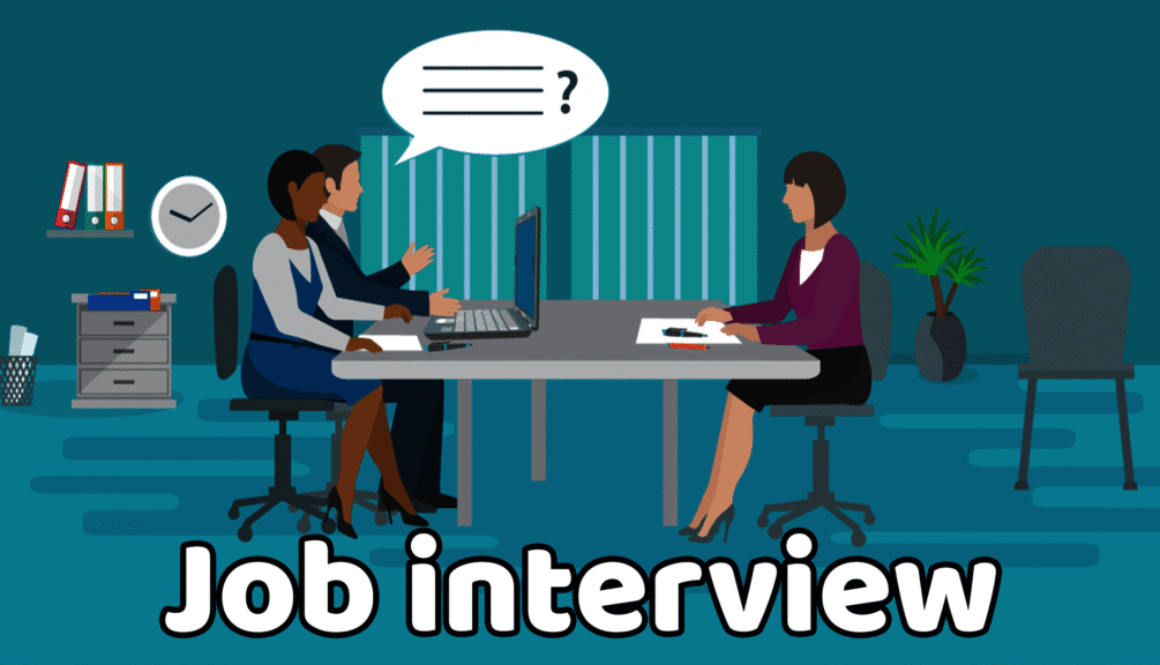
Ace Your Next Interview: Professional Strategies for the 7 Most Common Questions
Ace Your Interview: A Deep Dive into the Most Common Questions (With Expert Tips & Examples)
Landing your dream job often starts with a successful interview. But what if you knew exactly what questions to expect and how to answer them like a pro? While every interview is unique, certain questions appear time and time again. Mastering these common inquiries can significantly boost your confidence and your chances of success.
In this in-depth guide, we’ll break down the most frequently asked interview questions, provide expert explanations, and give you compelling example answers to help you shine.
1. “Tell Me About Yourself.” (The Icebreaker)
This seemingly simple question is often the first, and it’s not an invitation to recount your life story. Interviewers want a concise, relevant summary of your professional journey and how it aligns with the role.
Why they ask it: To get a quick overview of your professional background, communication skills, and how you connect your experience to the job. They are looking for a focused “elevator pitch” about your professional self.
How to answer: Focus on the present, past, and future.
-
Present: Who you are now (your current role, key skills).
-
Past: Relevant experience and achievements that led you here.
-
Future: Why you are looking for this specific role and how it aligns with your career goals.
Example Answer: “Currently, I’m a Digital Marketing Specialist with over five years of experience managing successful SEO and content strategies for e-commerce brands. In my previous role at [Previous Company], I consistently exceeded KPIs, increasing organic traffic by 30% and conversion rates by 15% through data-driven campaigns. I’m passionate about leveraging innovative marketing techniques to drive growth, and I’m particularly excited about this role at [Current Company] because it offers the opportunity to apply my expertise in a fast-paced, mission-driven environment.”
2. “Why Are You Interested in This Role/Company?” (Show Your Research)
This question is your chance to demonstrate genuine interest and that you’ve done your homework. A generic answer here is a missed opportunity.
Why they ask it: To gauge your motivation, enthusiasm, and understanding of the company and the position. They want to see if you’ve researched them and if your values align.
How to answer: Connect your skills and career goals directly to the job description and the company’s mission/values. Mention specific projects, products, or company achievements that resonate with you.
Example Answer: “I’ve been following [Company Name]’s work in [specific industry/project] for some time, and I’m deeply impressed by [mention a specific company achievement, value, or product]. Specifically, the [Job Title] role excites me because it perfectly aligns with my expertise in [relevant skill 1] and [relevant skill 2], particularly in how I can contribute to [mention a specific goal from the job description or company initiative]. I’m eager to join a team that values [company value] and contributes to such impactful work.”
3. “What Are Your Strengths?” (Highlight Your Best Self)
This is your opportunity to showcase your top professional attributes. Don’t just list them; provide evidence.
Why they ask it: To understand your core competencies, how you perceive your abilities, and if those strengths align with what the job requires.
How to answer: Choose 2-3 strengths that are most relevant to the job description. For each strength, provide a brief example of how you’ve demonstrated it in a previous role. Use the STAR method (Situation, Task, Action, Result) if applicable.
Example Answer: “One of my key strengths is problem-solving. In my previous role as a Project Manager, we encountered a critical delay due to a supplier issue. I quickly analyzed the situation, sourced alternative vendors, and implemented a revised timeline that ultimately allowed us to deliver the project on schedule and within budget. Another strength is my ability to communicate complex information clearly and concisely, which has been crucial in successfully coordinating cross-functional teams.”
4. “What Are Your Weaknesses?” (The Honesty Test)
This is often the most dreaded question, but it’s a critical test of self-awareness and your ability to grow. Never say you “don’t have any.”
Why they ask it: To assess your self-awareness, honesty, and proactive approach to personal and professional development. They want to see that you can identify areas for improvement and take steps to address them.
How to answer:
-
Choose a genuine weakness that is not critical to the job’s core functions.
-
Briefly explain it.
-
Crucially, describe the specific steps you are taking to overcome or mitigate this weakness. Frame it as an area of growth.
Example Answer: “In the past, I sometimes struggled with delegating tasks because I enjoyed being hands-on and ensuring every detail was perfect. However, I’ve actively worked on this by taking a leadership course focused on effective delegation and trust-building. Now, I’m much better at empowering my team members and trusting them with responsibilities, which has significantly improved our team’s overall efficiency and project delivery times.”
5. “Where Do You See Yourself in Five Years?” (Ambition & Alignment)
This question probes your career aspirations and helps the interviewer determine if your long-term goals align with what the company can offer.
Why they ask it: To assess your ambition, career planning, and whether your aspirations are realistic and align with the growth opportunities within their organization.
How to answer: Focus on skill development, contributions, and growth within the field. Avoid mentioning specific job titles unless they are clear advancement paths within the company. Show enthusiasm for evolving in your role and contributing significantly to the company’s success.
Example Answer: “In five years, I envision myself as a seasoned professional contributing significantly to a company that values innovation and growth. I aim to deepen my expertise in [specific skill/area relevant to the role], potentially taking on more leadership responsibilities or mentoring junior team members. Ultimately, I want to be in a position where I can make a substantial impact on the company’s strategic goals, and I believe [Company Name] offers the ideal environment to achieve that.”
6. “Why Are You Leaving Your Current/Previous Job?” (Be Positive & Forward-Looking)
This question can be a trap if you aren’t careful. Always maintain a positive and professional tone.
Why they ask it: To understand your motivations for seeking a new role, identify potential red flags (e.g., leaving due to conflict), and see if your reasons align with the opportunities they offer.
How to answer:
-
Focus on growth and new opportunities: “I’m looking for new challenges,” “I’m seeking a role with more responsibility,” or “I’m looking for a company where I can further develop my skills in X area.”
-
Align with the new role: Emphasize how this new position offers something specific that your old job didn’t (e.g., “I’m excited by the opportunity here to work on larger-scale projects”).
-
Avoid negativity: Never badmouth your previous employer, colleagues, or boss. Keep it professional.
Example Answer: “While I’ve learned a great deal and appreciate my time at [Previous Company], I’m now looking for a role that offers more opportunities to [mention specific growth area, e.g., ‘lead strategic initiatives’ or ‘work with cutting-edge technology’]. This position at [Company Name] particularly excites me because it aligns perfectly with my career aspirations to [mention how this role fits your future goals] and work with a team known for [company value].”
7. “Do You Have Any Questions for Us?” (Always Say YES!)
This is not a formality; it’s a crucial part of the interview. Not asking questions can make you seem uninterested or unprepared.
Why they ask it: To assess your engagement, critical thinking, and genuine interest in the role and company culture. It’s a chance for you to interview them back.
How to answer: Always have 2-3 thoughtful questions prepared. These should go beyond what you can easily find on the company website. Focus on team dynamics, challenges, company culture, or next steps.
Example Questions to Ask:
-
“What do you enjoy most about working here?”
-
“Could you describe the day-to-day responsibilities of this role in more detail?”
-
“What are the biggest challenges facing this department/role in the next 6-12 months?”
-
“How does the team collaborate on projects?”
-
“What are the next steps in the interview process?”
Key Takeaways for Interview Success:
-
Research: Know the company, the role, and the interviewer (if possible).
-
Practice: Rehearse your answers, but don’t memorize them word-for-word.
-
Be Authentic: Let your personality shine through.
-
Follow Up: Always send a thank-you note or email within 24 hours.
By preparing for these common questions, you’ll walk into your next interview with confidence, ready to make a lasting positive impression. Good luck!
Now, let’s add some visuals to make this blog post even more engaging! Here are the image prompts I’ll use:
-
A professional illustration of a person confidently answering interview questions.
-
A visual metaphor for “Tell Me About Yourself” showing a focused spotlight on a professional’s resume or career path.
-
An image representing “Why This Role/Company” with a person connecting puzzle pieces, one for their skills and one for the company logo.
-
A graphic illustrating “Strengths” with various positive attributes like teamwork, problem-solving, and communication.
-
A visual for “Weaknesses” showing a person actively working on improving a skill or learning something new, emphasizing growth.
-
An image for “Where Do You See Yourself in Five Years” depicting a clear career path or ladder, with a person looking confidently towards the future.
-
A visual for “Why Are You Leaving” showing a person walking towards a new, exciting door while leaving an old one respectfully.
-
An image for “Do You Have Any Questions” showing an interviewer and interviewee engaged in a two-way conversation, with thought bubbles indicating questions from both sides.