Best English Listening Practice for Beginners and Intermediate Learners
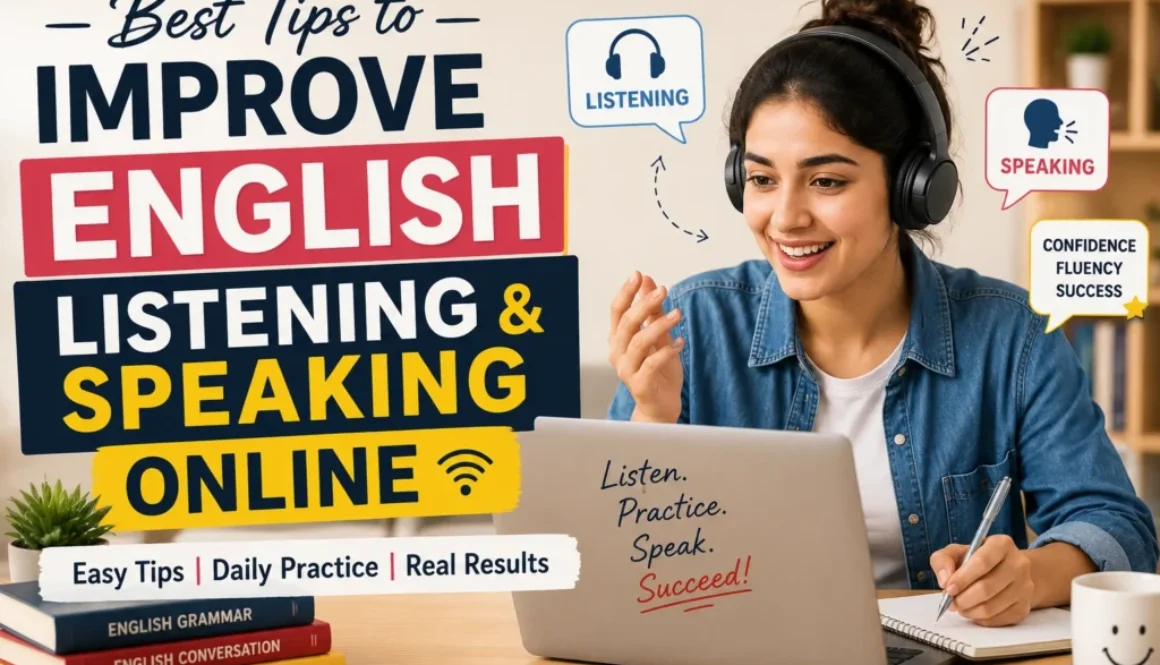
Best Tips to Improve English Listening and Speaking Online
Learning English online has become easier than ever before. Today, millions of people improve their English listening and speaking skills using websites, mobile apps, YouTube videos, podcasts, and online conversations. If you want to speak English fluently and understand native speakers better, you need daily practice and the right learning methods.
In this detailed guide, you will learn the best tips to improve English listening and speaking online using simple and effective techniques. This article is perfect for beginners and intermediate English learners who want to improve English communication skills step by step.
Why English Listening and Speaking Skills Are Important
English is one of the most important languages in the world. Good English speaking and listening skills can help you:
- Get better job opportunities
- Travel more easily
- Study abroad
- Speak with people from different countries
- Watch movies and videos without subtitles
- Feel more confident when speaking English
Many learners know English grammar but still cannot speak fluently. The reason is simple: they do not practice listening and speaking enough.
1. Practice English Listening Every Day
One of the best ways to improve English listening skills online is daily listening practice. Listening helps your brain become familiar with English pronunciation, vocabulary, and sentence structure.
What Should You Listen To?
You can listen to:
- English podcasts
- YouTube videos
- English conversations
- Audiobooks
- English songs
- Movies and TV shows
- · Unlock Your English Today — Get the Best Learning Books Now! https://amzn.to/4tRO04s
Try to listen to English for at least 20 to 30 minutes every day.
Example
If you are a beginner, start with simple English videos like:
- Daily conversations
- Short stories
- English lessons for beginners
Example sentence:
“I wake up early every morning.”
When you hear simple sentences many times, your brain remembers them naturally.
2. Watch English Videos with Subtitles
Watching English videos with subtitles is one of the best online English learning methods.
Subtitles help you:
- Understand pronunciation
- Learn new vocabulary
- Improve listening comprehension
- Connect spoken and written English
- · Unlock Your English Today — Get the Best Learning Books Now! https://amzn.to/49iy3go
Best Way to Use Subtitles
Step 1:
Watch with English subtitles.
Step 2:
Watch again without subtitles.
Step 3:
Repeat the sentences aloud.
Example
Video sentence:
“How was your day?”
You repeat:
“How was your day?”
This method improves both English listening and speaking practice.
3. Repeat What You Hear
Repeating English sentences is called the “shadowing technique.” It is one of the best techniques to improve English speaking fluency.
How to Practice
- Listen to a short sentence
- Pause the video or audio
- Repeat the sentence exactly
- Copy the pronunciation and rhythm · Unlock Your English Today — Get the Best Learning Books Now! https://amzn.to/4uEwgLd
Example
Audio:
“I’m going to the store.”
You repeat:
“I’m going to the store.”
This exercise improves:
- Pronunciation
- Accent
- Speaking confidence
- Listening accuracy
4. Speak English Every Day
To improve English speaking online, you must speak every day, even if your English is not perfect.
Many learners wait too long because they are afraid of mistakes. But mistakes are normal and necessary for improvement.
Easy Speaking Practice Ideas
- Talk to yourself in English
- Describe your day in English
- Read English texts aloud
- Practice with online language partners
- Record your voice
Example
Morning practice:
“Today I will go to work. After work, I will study English.”
Simple daily speaking practice can make a huge difference.
5. Learn Common English Phrases
Native speakers often use common expressions and phrases instead of complicated grammar.
Learning common English phrases helps you speak more naturally.
Useful Daily English Phrases
- How are you doing?
- What are you doing?
- I’m just kidding.
- That sounds great.
- I don’t understand.
- Could you repeat that?
Example Conversation
Alex: How are you doing today?
Sara: I’m doing great. What about you?
These simple conversations improve speaking confidence.
6. Listen to English Podcasts
Podcasts are excellent for online English listening practice because you can listen anytime and anywhere.
You can listen while:
- Walking
- Driving
- Cooking
- Exercising
Best Podcast Topics
- Daily English conversations
- Slow English speaking
- Business English
- English stories
- Motivation podcasts
Listening regularly helps you improve English naturally.
7. Think in English
Many learners translate from their native language before speaking English. This slows down speaking.
Try to think directly in English.
Example
Instead of translating:
“I am hungry.”
Think directly:
“I want to eat something.”
This habit improves fluency and speaking speed.
8. Improve Your English Pronunciation
Good pronunciation helps people understand you clearly.
How to Improve Pronunciation
- Listen carefully to native speakers
- Repeat difficult words
- Practice tongue twisters
- Use pronunciation apps
- Record yourself speaking
Example Words
- Comfortable
- Vegetable
- Interesting
- February
These words are often difficult for English learners.
9. Join Online English Conversations
Speaking with real people is one of the fastest ways to improve English speaking online.
You can practice using:
- Online speaking groups
- Video calls
- Language exchange apps
- English learning communities
Example Questions for Practice
- What do you do every day?
- What are your hobbies?
- Why are you learning English?
- What country would you like to visit?
Simple questions create natural conversations.
10. Learn Vocabulary Through Listening
Instead of memorizing long vocabulary lists, learn words through listening and context.
Example
Sentence:
“I was exhausted after work.”
You understand “exhausted” means “very tired” because of the sentence.
Learning vocabulary in context improves memory.
11. Read and Listen Together
Reading while listening is a powerful way to improve both speaking and listening.
You can use:
- Audiobooks with text
- YouTube subtitles
- English stories with audio
Benefits
- Better pronunciation
- Faster reading
- Improved listening
- Better vocabulary understanding
12. Be Patient and Consistent
Improving English speaking and listening takes time. You cannot become fluent in one week.
The secret is consistency.
Daily English Practice Plan
Morning
Listen to English for 15 minutes.
Afternoon
Learn 5 new words.
Evening
Practice speaking for 10 minutes.
Small daily practice creates big results over time.
Common Mistakes English Learners Make
1. Fear of Mistakes
Mistakes help you learn faster.
2. Not Practicing Speaking
Many learners only study grammar.
3. Giving Up Too Early
Fluency takes time and patience.
4. Studying Without Listening
Listening is necessary for speaking improvement.
Best Online Resources to Improve English Listening and Speaking
YouTube Channels
- English conversation channels
- English stories channels
- Pronunciation channels
Mobile Apps
- Duolingo
- HelloTalk
- BBC Learning English
- Cambly
Websites
- English listening practice websites
- Online speaking platforms
- English learning blogs
Final Thoughts
Improving English listening and speaking online is possible for everyone. You do not need expensive courses or perfect grammar to start speaking English confidently.
The most important things are:
- Daily practice
- Listening regularly
- Speaking without fear
- Learning common phrases
- Using English every day
Remember: small daily practice is better than studying once a week for many hours.
If you continue practicing consistently, your English speaking and listening skills will improve naturally over time.
Start today, stay motivated, and enjoy your English learning journey!