
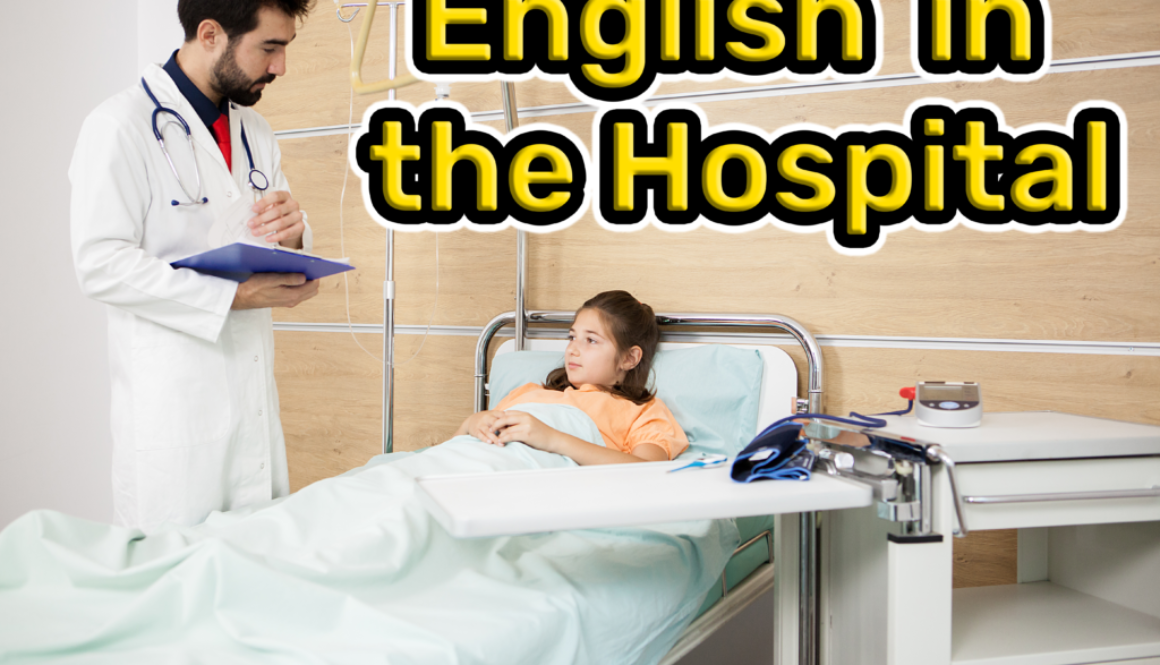
100 Useful Hospital English Expressions for Patients and Nurses
🩺 Top 100 Hospital Expressions You Must Know ( Hospital English Expressions List)
Below are the essential hospital expressions divided into useful sections to help your learners and readers stay organized.
1. Checking In at the Reception ( Hospital Reception English Expressions)
I have an appointment with the doctor.
I would like to check in, please.
Here is my ID and insurance card.
I need to see a doctor urgently.
I’m here to follow up on my test results.
Can you tell me where the emergency room is?
What is the waiting time today?
Do I need to fill out any forms?
Is there a specialist available?
I have been referred by my family doctor.
2. Talking About Symptoms ( Explain Symptoms in English)
I have a severe headache.
My stomach has been hurting since yesterday.
I feel dizzy and weak.
I have difficulty breathing.
My chest feels tight.
I’m experiencing sharp pain in my back.
I feel nauseous and want to throw up.
I have a fever and chills.
My throat is very sore.
My arm is swollen.
3. Describing Pain ( Pain Vocabulary in English)
The pain is constant.
The pain comes and goes.
It hurts when I touch it.
The pain gets worse at night.
It feels like burning.
It feels like pressure.
I feel shooting pain down my leg.
It’s a mild pain, but annoying.
The pain is unbearable.
It feels numb.
4. Doctor Questions (Doctor–Patient English Conversation)
When did the symptoms start?
Have you taken any medication?
Do you have any allergies?
Have you felt this pain before?
Does anything make it better or worse?
Are you currently on any treatment?
Do you smoke or drink alcohol?
Do you have chronic diseases?
Is the pain spreading?
Are you pregnant?
5. Patient Responses ( Patient English Expressions)
It started this morning.
I took some painkillers.
I don’t have any allergies.
I’ve never felt this before.
It gets worse when I walk.
I’m taking medication for blood pressure.
I don’t smoke.
Yes, the pain is spreading.
No, I’m not pregnant.
I feel better now.
6. Medical Tests and Examinations ( Medical Test English Vocabulary)
You need a blood test.
We will take your blood pressure.
You need an X-ray.
We will do a CT scan.
Please lie down on the bed.
Take a deep breath.
We need a urine sample.
This test will only take a few minutes.
We are checking your vital signs.
You may feel a small pinch.
7. Hospital Instructions (Hospital Instructions English)
Please wait in the waiting area.
Follow me to the examination room.
Remove your shoes and shirt, please.
Hold still for a moment.
You can get dressed now.
Take this prescription to the pharmacy.
You must rest for a few days.
Drink plenty of water.
Avoid heavy lifting.
Come back for a follow-up next week.
8. Emergency Situations ( Emergency English Expressions)
Call an ambulance immediately!
He is not breathing.
She has fainted.
There has been an accident.
He is bleeding heavily.
I think I broke my arm.
I can’t move my leg.
I feel like I’m going to pass out.
I need urgent help.
I’m having trouble breathing.
9. Pharmacy Expressions (Pharmacy English Expressions)
I need to buy this medicine.
Do I need a prescription for this?
What is the dosage?
How many times a day should I take it?
Are there any side effects?
Can I take this on an empty stomach?
Is there a cheaper alternative?
Do you have pain relief cream?
I need something for a cold.
I’m looking for vitamins.
10. Leaving the Hospital (Hospital Discharge English)
You can go home now.
We will contact you with the results.
Take care and rest well.
Come back if the symptoms return.
Don’t drive after taking this medicine.
Your next appointment is scheduled.
You need to sign the discharge papers.
The nurse will explain everything to you.
Pick up your medication downstairs.
Call us if you have any questions.